

Electronic components face constant performance threats. Resistance drift and mechanical wear represent key challenges. Potentiometer reliability directly impacts system longevity. Fanrui addresses these issues with precision engineering. Our metal shaft rotary potentiometers provide exceptional solutions. This article explores their technical advantages. We highlight superior performance in stable applications.
Defining the Enemies: Drift and Wear
Resistance drift describes unwanted value changes. It occurs from environmental stress and material fatigue. Wear results from mechanical friction and aging. Both factors degrade potentiometer performance over time. System accuracy suffers significantly from these issues. Control panels and industrial instruments require stable components. Fanrui metal shaft potentiometers combat these problems effectively.
Material Superiority: The Metal Advantage
Metal shafts provide inherent structural benefits. They resist deformation under mechanical stress. Thermal conductivity improves heat dissipation significantly. This reduces temperature-induced resistance variations. Metals withstand higher rotational forces consistently. Fanrui selects premium alloys for our shafts. Each material undergoes rigorous testing protocols.
Precision Engineering for Minimal Drift
Fanrui designs potentiometers for exceptional stability. We utilize advanced resistance track formulations. Our wipers maintain consistent contact pressure. Sealed constructions prevent contaminant ingress. These features collectively minimize resistance drift. Performance remains stable across temperature cycles. Electrical output shows remarkable consistency over time.
Mechanical Wear Resistance in Action
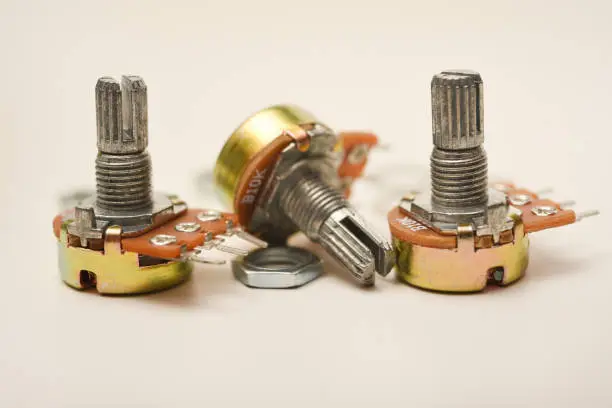
Metal shafts withstand repeated operation cycles. Their surfaces resist abrasion from regular use. Bearing structures maintain alignment precisely. This prevents wobble-induced wear patterns. Fanrui potentiometers offer extended mechanical life. They outperform plastic alternatives significantly in durability tests.
Thermal Management Capabilities
Heat accelerates component degradation. Metal shafts dissipate thermal energy efficiently. This protects internal resistance elements. Temperature stabilization improves overall reliability. Fanrui designs ensure optimal thermal pathways. Our potentiometers handle high-temperature environments effectively.
Comparative Analysis: Metal vs. Plastic Shafts
Plastic shafts exhibit higher thermal expansion rates. This dimensional change affects electrical contact quality. Metal maintains structural integrity across temperature ranges. Plastic components experience faster wear rates. Fanrui metal shafts provide longer service life. They demonstrate superior performance in comparative testing.
Industrial Application Case Studies
Manufacturing equipment requires robust components. Fanrui potentiometers serve automated systems reliably. Medical devices demand precision and consistency. Our products meet stringent healthcare standards. Automotive applications involve vibration and temperature extremes. Metal shaft potentiometers withstand these harsh conditions.
Testing and Validation Protocols
Fanrui implements comprehensive quality procedures. We test resistance stability across temperature extremes. Mechanical endurance evaluations simulate years of operation. Environmental testing includes humidity and vibration assessments. Each batch undergoes statistical performance analysis. Our documentation provides complete traceability.
Design Considerations for Engineers
Engineers should evaluate operational parameters carefully. Mechanical load requirements determine shaft specifications. Environmental conditions influence material selection. Electrical characteristics must match application needs. Fanrui technical support assists with component selection. We recommend optimal solutions for specific use cases.
Long-Term Reliability and Cost Efficiency
Initial investment often concerns purchasers. Fanrui potentiometers reduce long-term ownership costs. An extended lifespan minimizes replacement frequency. System downtime decreases with reliable components. Maintenance requirements have reduced significantly. Total cost of ownership favors quality metal components.
 Innovation in Potentiometer Technology
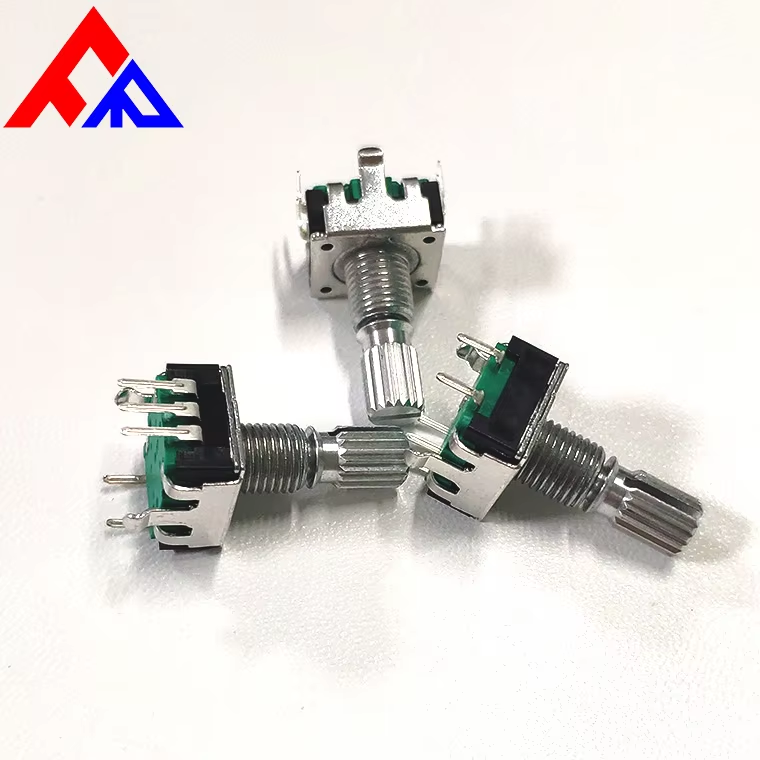
Fanrui continuously improves product designs. We incorporate the latest material science advancements. Manufacturing processes undergo regular optimization. Our research focuses on performance enhancement. Customer feedback drives innovation directly. We solve real-world application challenges proactively.
Customization Capabilities and Flexibility
Standard products serve many applications effectively. Some situations require customized solutions. Fanrui offers modified shaft dimensions and configurations. Resistance tapers and electrical values adapt to needs. Mechanical features accommodate unique mounting requirements. Our engineering team develops tailored solutions promptly.
Quality Assurance and Manufacturing Standards
Fanrui maintains certified production facilities. Our processes follow international quality standards. Each manufacturing stage includes inspection checkpoints. Final testing validates all performance parameters. We document every quality assurance step thoroughly. Customers receive complete compliance certificates.
Environmental Compatibility and Compliance
Modern regulations restrict hazardous materials. Fanrui potentiometers meet RoHS and REACH requirements. Our designs consider environmental impact carefully. Packaging materials minimize ecological footprint. Production processes emphasize sustainability principles. We contribute to greener electronic manufacturing.
Conclusion: The Clear Choice for Critical Applications
Resistance drift and wear threaten system reliability. Fanrui metal shaft rotary potentiometers provide proven solutions. They deliver exceptional stability and longevity. Performance advantages justify their selection. Engineers trust our components for demanding applications. Choose Fanrui for uncompromising quality and reliability.


